Bredon and Welland
The manor of Welland was owned by the Bishops of Worcester for most of its history. It was first a sub-manor of Bredon, itself a possession of Worcester, so Welland matters would have been included in the court records for Bredon. The earliest court that took place in Welland for which we have a record is 1546, suggesting independence by that date at the latest.
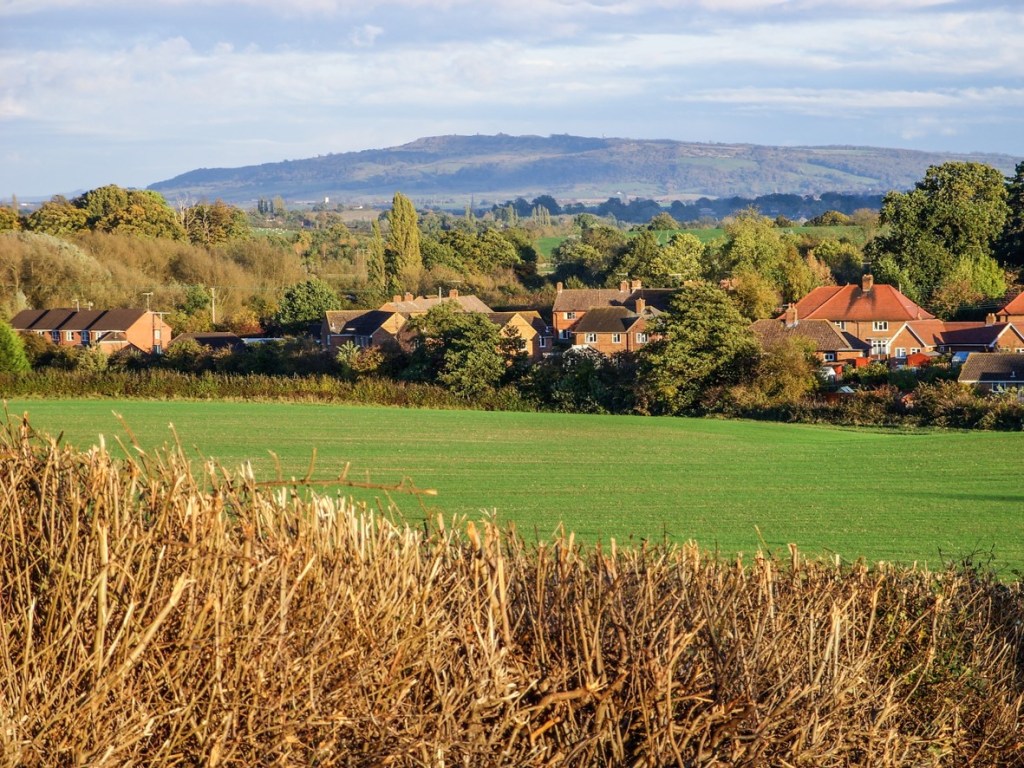
What were the court rolls for?
Once Welland became a manor in its own right courts were held there twice a year to deal with changes of tenancy, infractions of the manorial laws and appointment of local officials. Original Latin documents survive at The Hive in Worcester for 44 of the years between 1546 and 1661. They were stored originally as rolled-up documents, hence the name.
These courts were held usually in the spring and autumn. Each document starts with a standard preamble naming the current bishop of Worcester, the sub-steward who conducted the court, the day it took place and the year. This is followed by the names of those who should have attended but had submitted an excuse, and the list of men of Welland who made up the jury. The jury presented the cases to the sub-steward and the details of these and any fines imposed formed the substance of the record. What we don’t know is where in the village the courts were held, there being no resident lord of the manor. Nor do we know whether people always paid the fines imposed on them! All the monies collected at the courts went to the bishop of Worcester, referred to as ‘the lord’ in the rolls.
What value do these documents have for us now? We can use them to assemble a picture of some aspects of life in Welland during the 16th – 17th centuries. Many individuals are named, almost all men, and at least some of the properties mentioned can be identified. The three large common fields were in use: Westfield, Merefield and Tiltridge. Tenants were expected to keep their ditches clear, allow pasturing of animals on their strips of land at certain times of the year, put up fences where necessary and keep their animals from straying. Bakers and brewers had to adhere to the set standards for weight and quality. When tenants took on a property, they paid a fee (a heriot) to the bishop of Worcester and swore fealty. Sub-letting a property was generally forbidden and tenants could not take visitors into their homes overnight unless they had permission. On a few occasions the manor was fined collectively for the men failing to practise archery as required by law.
There would have been a few houses along Drake Street and we know from the map of the 1628 survey of Malvern Chase that houses extended along what is now Hanley Road and Woodside Lane by that date. The water mill along the Marlbank Brook was operational. The small village church and graveyard were next to what is now Welland Court. It is worth noting that the manor of Welland, owned by Worcester, did not cover the the whole parish of Welland as we know it today. Dauncies (called Welland Court from around the 1600s) and its estate, for example, were outside its jurisdiction, as was the land held by Little Malvern Priory. But the manor did include what is now Upper Welland.
Here are a few examples of typical entries.
Tenancies
John Badger, who held a messuage with appurtenances from the lord for 2s per year and owed suit of court, had died since the last court and 2s was due to the lord. An inquiry would be made as to who his heirs were. (October 1607)
A messuage was a plot of land with a dwelling house and outbuildings. Appurtenances were the rights attached to a piece of land. Tenants had to agree to attend the courts – this was called ‘owing suit of court’.
John Gwillam held a parcel of land called Hallhay and had died since the last court, whereupon a heriot fell due to the lord. His widow Elizabeth petitioned to be admitted as tenant herself according to the custom of the manor and made fealty to the lord. (April 1633)
Hallhay was probably near the junction of Woodside Lane with the Hanley Road. The tenant of Hallhay was also responsible for maintaining the pound and Brookend Bridge on Drake Street. The brook is now culverted under the road. Tenants had to ‘make fealty’, ie swear loyalty to the lord.

Elinora Careles held a cottage with curtilage called Streetend with two acres of land and had died since the last court whereupon a heriot of 3s 4d fell due to the lord. Thomas Smith petitioned for admission to have and to hold the tenancy. He made fealty to the lord. (April 1633)
Curtilage was the land immediately surrounding a house. Streetend was once the last property on Drake Street before the common. The plot is now occupied by Poplar Cottage.
William Turner acknowledged he held certain free land for an annual rent of 3s 4d and suit of court that he had bought from John Salter, whence fell due to the lord 3s 4d. William made fealty to the lord for the first time. (October 1640)
Waterways
John Brawlard was fined 20s because he had diverted the mill stream from its right course. (April 1578) A year later it was noted that he had not yet returned the stream to its normal course. (April 1579).
John Brawlard was the miller.
Fences, ditches and lanes
Christopher More was fined 6d for not making his fence at Tiltridge (October 1586).
It was ordered that whoever had land in Westfield and Tippers Croft was to repair the lane leading to Westfield before the Feast of St John the Baptist or pay a penalty of 2s 6d. (October 1601)
Tippers Croft was just west of Brookend. Byefield Lane leads to Westfield.
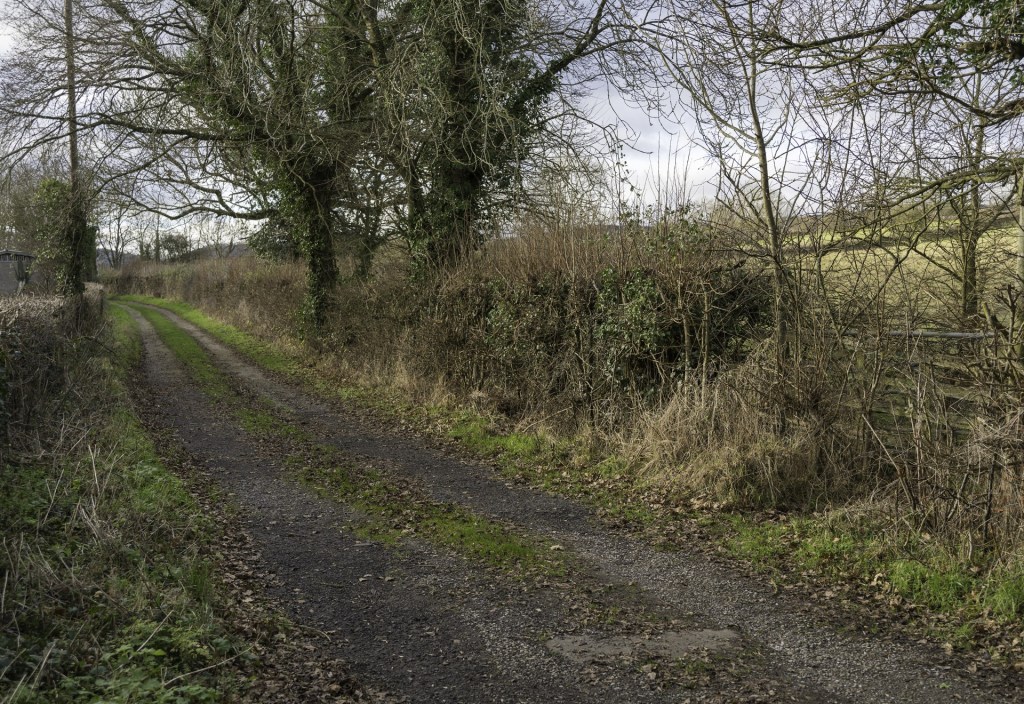
Clement Saunders and Edward Smith were ordered to scour their ditches before the Feast of St John the Baptist. (October 1607)
Richard Baylis was to repair the fence between his property and Richard Long’s before the Feast of All Saints under penalty of 10s. (October 1637)
Sub-tenants and visitors
William Green was fined 3s 4d for sub-letting his property. (October 1589)
It was ordered that no one was to receive into his house any strangers to live unless authorised by the parish under penalty of 40s. (October 1637)
Foodstuffs
Hugo Vicarage and Richard Hunt, aletasters, broke the assize of bread and were fined 4d. (October 1594)
Thomas Falkoner and Thomas Shaw, butchers, sold meat without a licence from the lord and each was fined 4d. (October 1601)
Assaults
John Robins assaulted and drew blood from William Morgan and was fined 3s 4d. (October 1600)
Officials
John Badger was elected constable and Roger Pitt and William Morgan were elected tithingmen. (October 1594)
The tithingmen were responsible for enforcing law and order in the manor and reporting incidents to the court.
Woollen caps and archery
The men of Welland were fined 10s because they did not wear woollen caps on Sundays and feast days. (April 1593)
An act of 1571 had imposed this requirement on boys and men (except for those of rank) to boost the wool trade.
The men of Welland were fined 10s for not undertaking archery practice. (April 1633)
A succession of laws made from 1252 to 1541 aimed to ensure that England could produce enough skilled archers when needed. By 1633 the longbow had largely given way to firearms but evidently the law was still being enforced.
 Exploring Welland