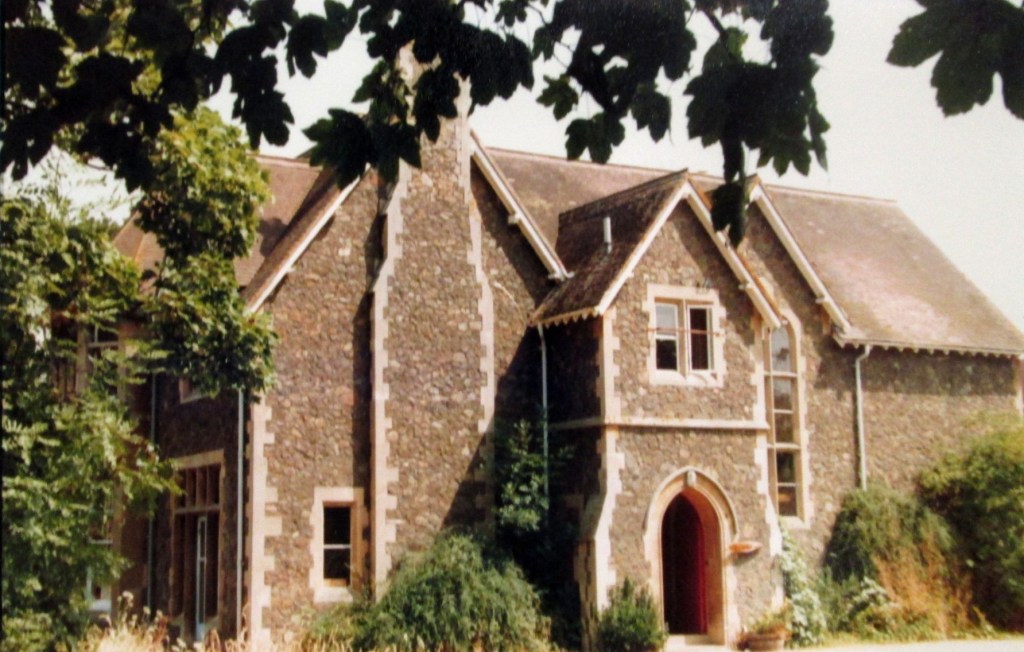
John Barley’s parents worked at the remand home from 1947-49 and 1956-61. This article is based on John’s memories of his time in Welland, supplemented by open source material.
The 19th century vicarage on Marlbank Road (see map) housed Welland Boys Remand Home from 1944 to 1982. Remand homes were set up in the 1930s to accommodate children who had committed crimes and were being held in custody before being tried or sent to a reformatory. Welland’s was under the control of Worcestershire County Council, being one of approximately 60 remand homes in England. At any one time it could accommodate up to 25 boys, 8 to 17 years of age. The age of criminal responsibility was then 8, rather than 10 as it is today. The boys were generally there only for a short period of time.
Amongst the early staff at Welland Remand Home were Ralph Barley and his wife. Formerly a naval gunnery officer on mine sweepers during the war, Ralph was appointed Deputy Superintendent in 1947. His wife, a nurse, became Assistant Matron. They arrived with their young son, John, and took up residence within the building.
John’s parents left Welland in 1949 to work in children’s homes elsewhere but they returned in October 1956, when John was 12, taking up the positions of Superintendent and Matron. Their letter of appointment survives, detailing their salaries and the board and lodging fees that were deducted, but no mention is made in the letter of the existence of John or his younger sister!
The Barleys did not live in an apartment as such. Their rooms, a sitting room, bathroom and three bedrooms, were scattered round the building. The fact that John and his sister were living amongst a transient population of boys with a range of problems does not seem to have been an issue at the time. John, in fact, does not recall feeling threatened or fearful at any time. He did not mix with the boys much, except for table tennis, but recalls that they generally behaved well. The boys worked in the gardens, the woodwork shed and played sports. They had supervised walks on Sundays on Castlemorton Common. For some, this was their first experience of the countryside and animals.
John was in Welland for about 7 years in total. He remembers the cleaner, Mrs Olga Docker, who lived in Vicarage Cottage next to the house. There was a visiting gardener who grew vegetables on the land now occupied by the houses of Lime Grove. John used to mow the extensive lawns at the back, using an Atco motor mower, and trying to get the stripes right. He had keys to the front and rear doors, which were always kept locked. Boys did try to abscond on occasion but didn’t get far. One made it to Upton before he was caught.
John used to catch the bus each day to attend Worcester Royal Grammar School, as did several other Welland children. The 363 bus left at 7.45am and he caught the 4.45pm to return. He later bought an Austin 7 from a member of the remand home staff and taught himself to drive in the grounds. He re-built the engine in the workshop behind the house.
On Sundays he went off on his bike to attend Mass at St Wulstan’s at Little Malvern. He did gardening and farm work at Woodside Farm for Mr Broatch. His parents trusted him to go off on a cycling holiday to Essex with a schoolfriend and generally he was free to come and go as he pleased. John lived in several places as his parents moved jobs around the country but Welland is the one that stands out for him.
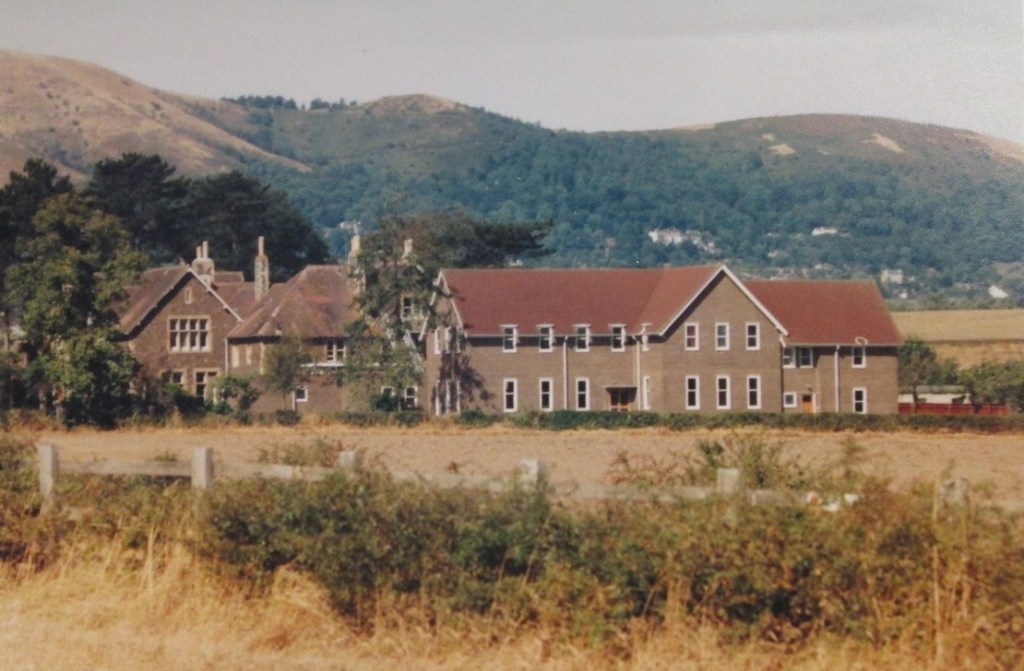
Reports in the Worcester Journal suggest that there were problems in later years at the remand home with an increasing number of boys absconding. In 1970 it was decided to employ more supervisory, teaching and domestic staff to increase the ratio of staff to children, and to provide full-time education. Plans were made in 1972 to extend the building and build a staff house and garages. But the following year saw the end of the remand home system and a move towards more rehabilitative care. Welland House was later referred to as an ‘observation and assessment centre for 24 boys’ and a ‘special school’ taking boys that were deemed too disruptive to be in mainstream schools. It was recommended for closure in 1982 following a poor report. The property went up for sale in 1983 and became a care home, now Welland House Care Centre.
With thanks to John Barley, still a regular visitor to Welland.
 Exploring Welland