The old church of St James and its churchyard occupied a site near Welland Court. As with several other parish churches in the area, the building did not fare well during the Civil War. Whether this was from neglect or deliberate act is not clear. A survey of vicarages taken in January 1650 notes that in Welland “… the Church is now downe and the minister doth officiate in the Churchhouse”.
The Church House was not the vicarage, as might be assumed, but a separate building near the church. Church Houses are an active subject of research nationally as many, like the one in Welland, are only referenced in passing. It seems that most parishes had one, with the majority constructed at the end of the 15th century or the beginning of the 16th (and none after the Reformation).
In previous centuries the naves of churches had been used for a variety of festivities. Beer was brewed there in preparation and events celebrated with music and dancing. Although the nave of the church was the responsibility of the parishioners, the Church authorities increasingly frowned upon its use for anything other than sacred purposes, hence the introduction of Church Houses for parochial entertainment. Typically Church Houses were built adjacent to the churchyard and were often quite substantial two-storey structures. In this part of the country they would have been timber-framed. They were maintained by the churchwardens on behalf of the parish.
In 1676 the Churchwardens noted that there were 72 adult males in Welland meaning there could have been as many as 200 people living in the parish at the time which would have necessitated a large meeting space.
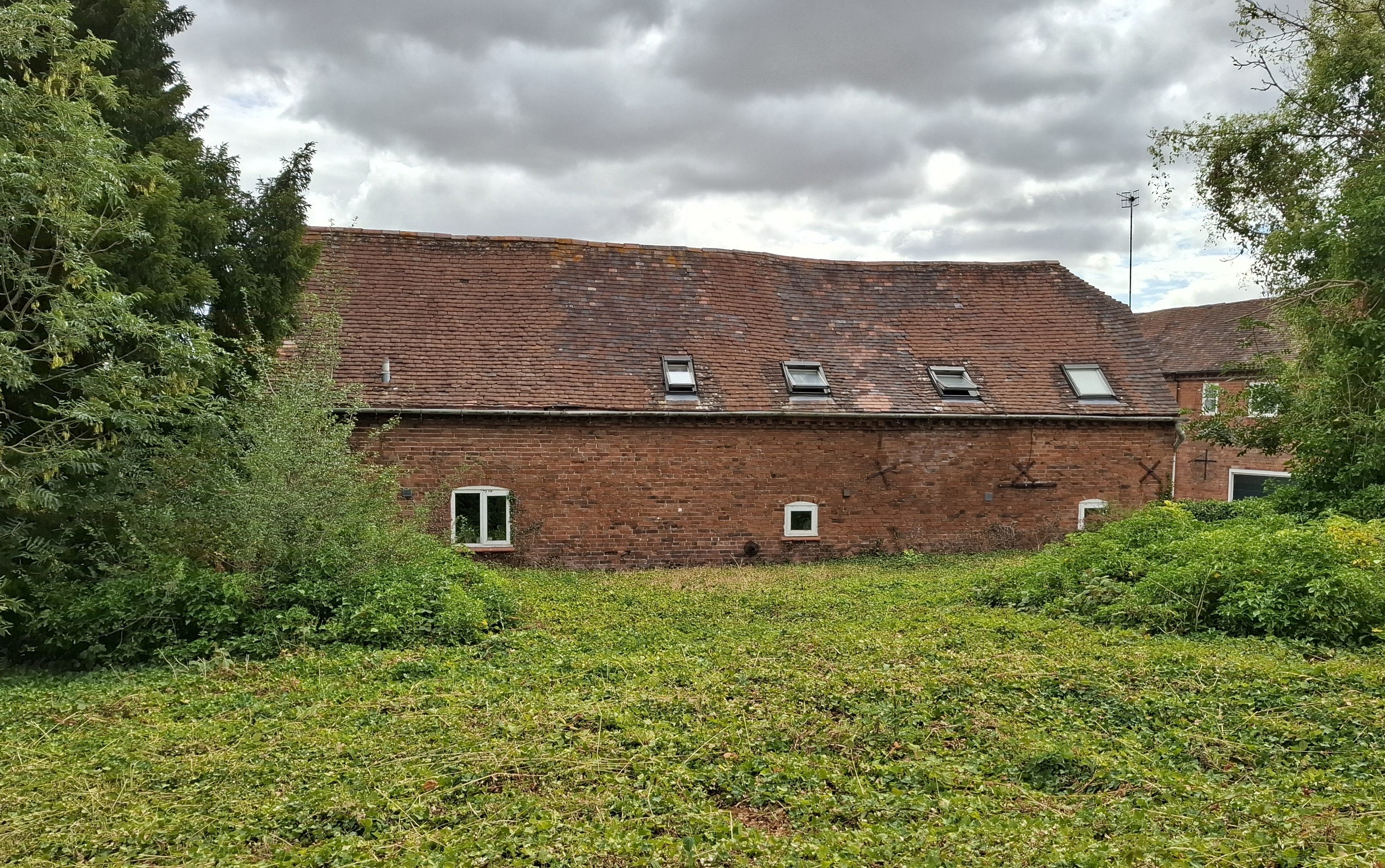
St. James’ was not rebuilt until 1674 meaning that the Church House was used as the primary place of worship for at least a quarter of a century. No other mentions of this building in Welland have been found and it is possible that it was decommissioned when the new church was built. The exact location of the Church House is open to speculation. The site may well have been at the eastern boundary of the churchyard and was later incorporated into the grounds of Welland Court where it was rebuilt in brick as a farm building (possibly the “Cider Cellar and Granary” mentioned in the 1910 National Valuation Survey).
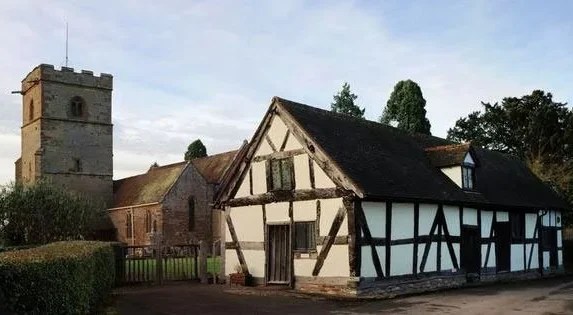
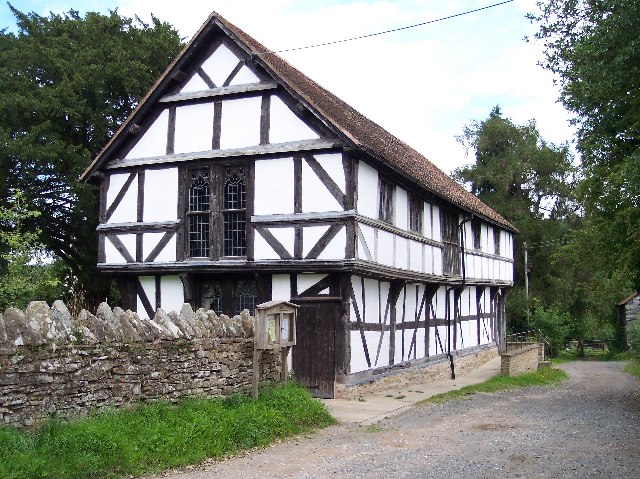
Two of the nearest surviving Church Houses are the Ale House in Colwall, and the Parish Hall in Cradley, both of which have survived because of their continued re-purposing as public buildings through the intervening years (see Transactions of the Woolhope Naturalists’ Field Club 2014 p169-171).
 Exploring Welland